Books worth understanding, not just finishing.
Explore 987 carefully structured book summaries. Discover the central ideas and themes, then decide what deserves a full read.
All book summaries
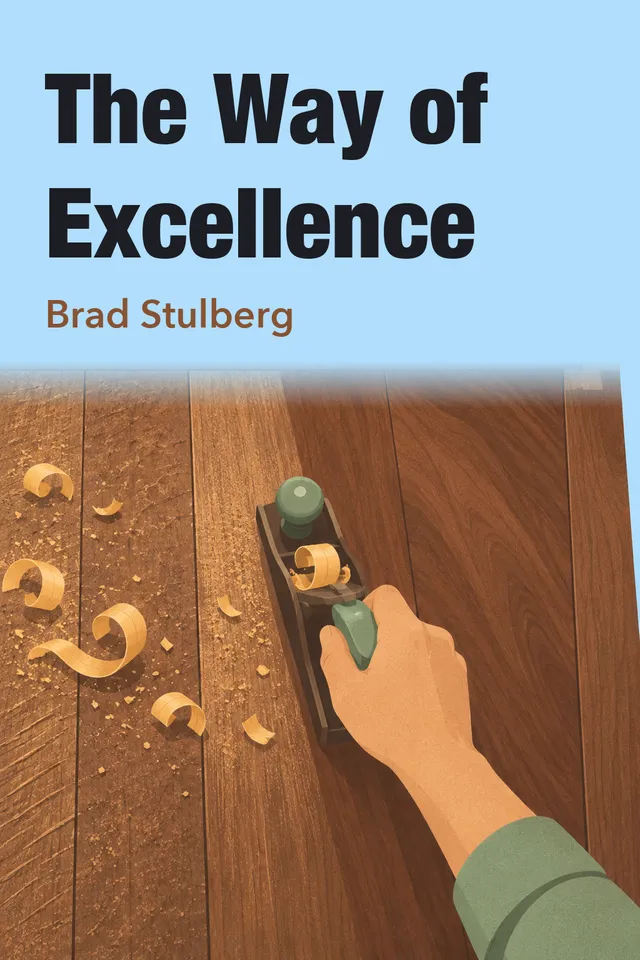
The Way of Excellence
Brad Stulberg defines excellence as developing competence in a pursuit that matters and asks how to sustain that work without confusing it with perfection, pleasure, or constant optimization. He connects values, practice, attention, recovery, relationships, and joy into methods for choosing aims and continuing through setbacks.

The Wealth Money Can't Buy
Robin Sharma asks what it means to be truly wealthy when money is only one part of a life. He organizes the answer around eight forms of wealth, linking daily practices in growth, wellness, relationships, work, prosperity, community, adventure, and service to a fuller measure of success.
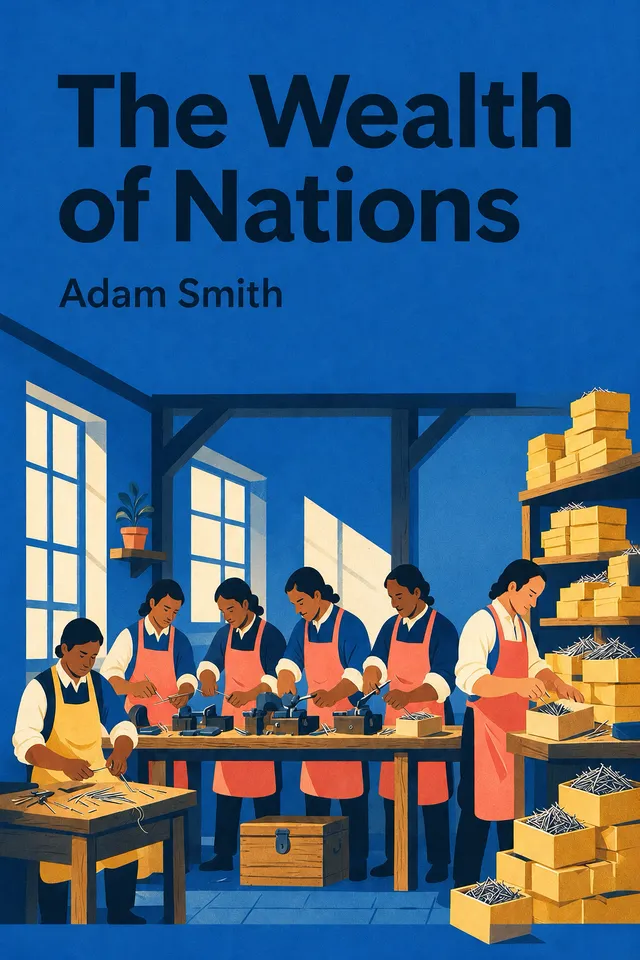
The Wealth of Nations
The Wealth of Nations asks how labor, exchange, land, and accumulated stock become broad material abundance. It traces division of labor, prices, wages, rent, banking, trade, and political institutions, showing how markets can support growth while privileges, insecure property, and misdirected capital obstruct it.
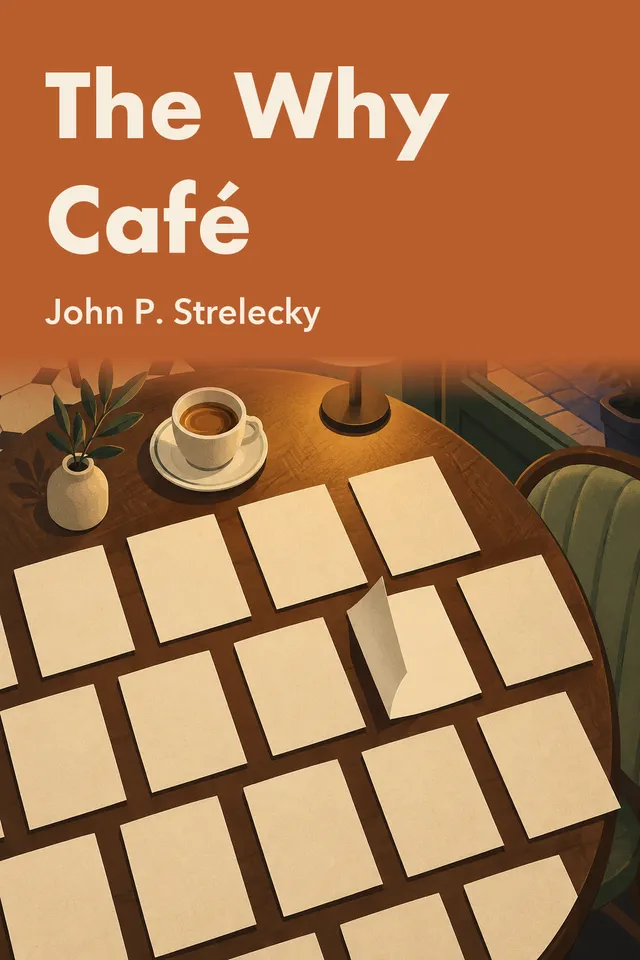
The Why Café
In this parable, a stalled journey leads John into a café where a menu asks, “Why are you here?” The conversations examine how a personally defined purpose might shape time, work, spending, and choice, and how people can search for it and begin acting while treating promised rewards and apparent luck with caution.
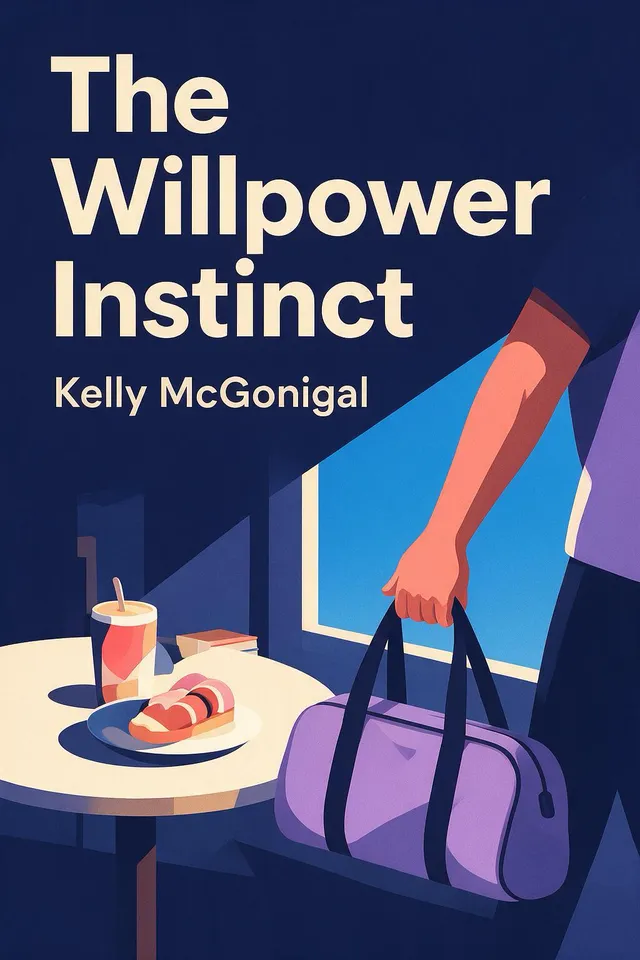
The Willpower Instinct
Why do we act against our own goals, and can self-control be trained? The Willpower Instinct maps the competing systems behind restraint, desire, stress, reward, time, and social influence, then turns that map into experiments for noticing impulses, designing better conditions, and choosing actions that serve longer-term aims.

The Wisdom of Life
In The Wisdom of Life, Arthur Schopenhauer asks what makes a life happy when fortune and public approval are unstable. He weighs personal constitution, possessions, and social esteem, then examines how health, desire, honor, and fame shape contentment. The essays offer practical counsel, qualified by the author’s darker account of human existence.
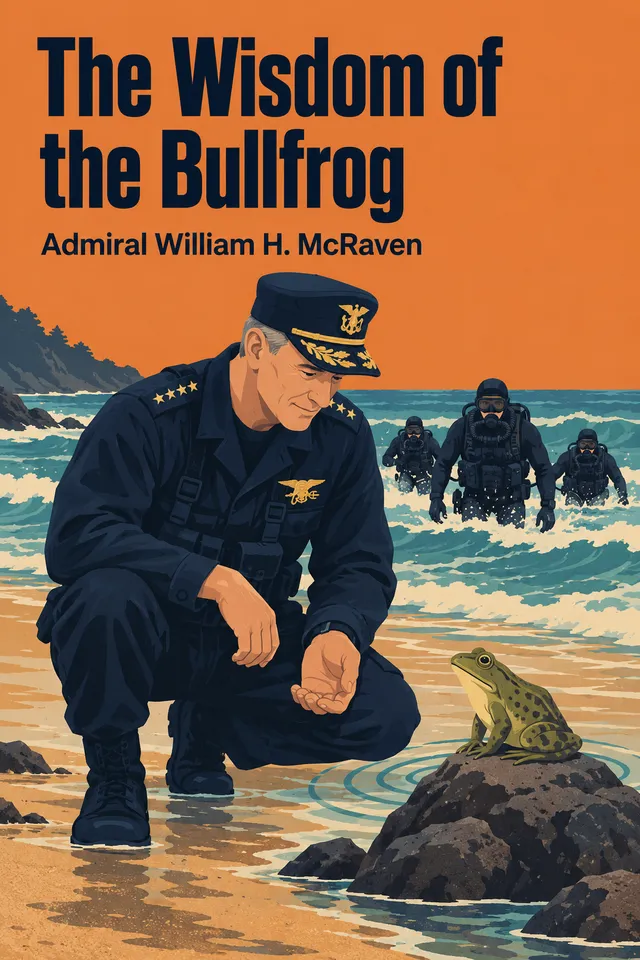
The Wisdom of the Bullfrog
How do leaders earn trust and guide people through uncertainty? Drawing on military experience, William H. McRaven connects integrity with the daily work of leadership: making decisions, communicating intent, preparing for disruption, maintaining standards, and supporting people. His stories offer practical ways to turn these principles into consistent action.
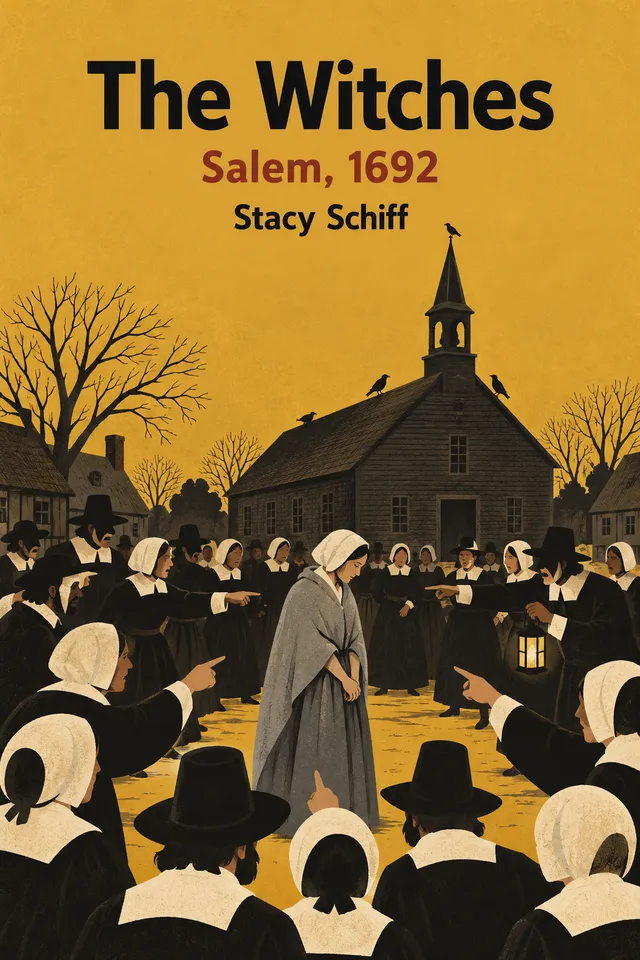
The Witches: Salem, 1692
Stacy Schiff reconstructs the 1692 Salem witch trials, asking how affliction and rumor became a legal conspiracy, and why officials accepted evidence that could not be reliably tested. The account follows the community’s religious and political strains, the court’s choices, the human costs, and later efforts to explain and remember the crisis.

The Woman in Me
Britney Spears’s memoir traces how a child who found freedom in singing became a pop star and mother before being placed under a conservatorship. It asks what happens when family, media, and institutions claim authority over an artist’s body and voice—and how testimony, creativity, faith, and ordinary choices can rebuild self-determination.
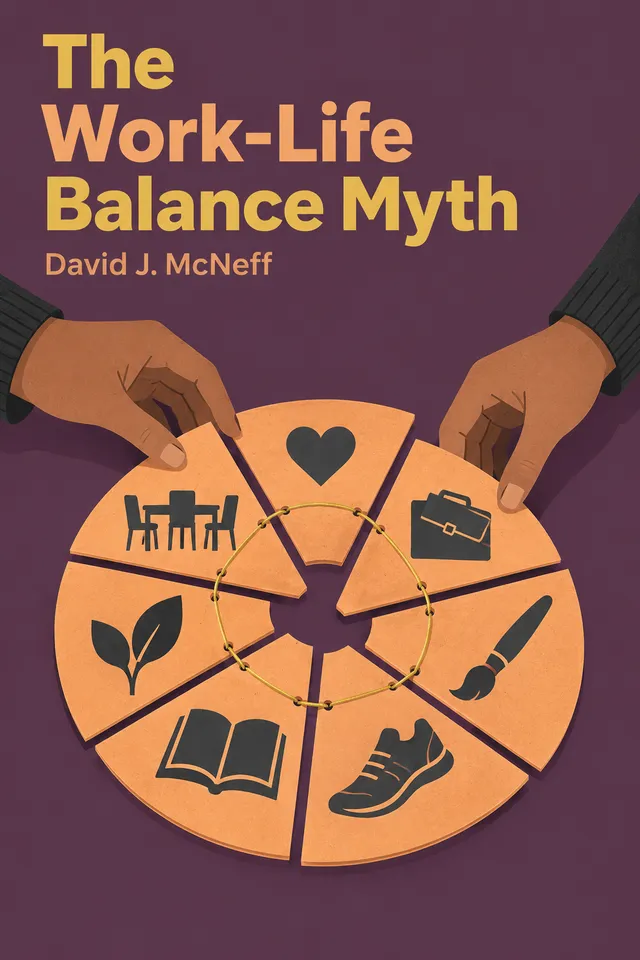
The Work-Life Balance Myth
What if dividing life between work and family leaves out much of what sustains us? David J. McNeff’s Seven-Slice Method reframes balance as harmony across seven areas of life. Reflective exercises and client stories show how small, deliberate changes can help people manage stress, reconnect with neglected interests, and reconsider commitments.

The Worry-Free Mind
The Worry-Free Mind asks why ordinary uncertainty can become persistent worry and how attention, arousal, beliefs, and emotional habits sustain that cycle. Kershaw and Wade present practices for interrupting rumination, widening perspective, imagining useful futures, reconnecting with needs, and cultivating calm or flow, illustrated through cases and exercises.
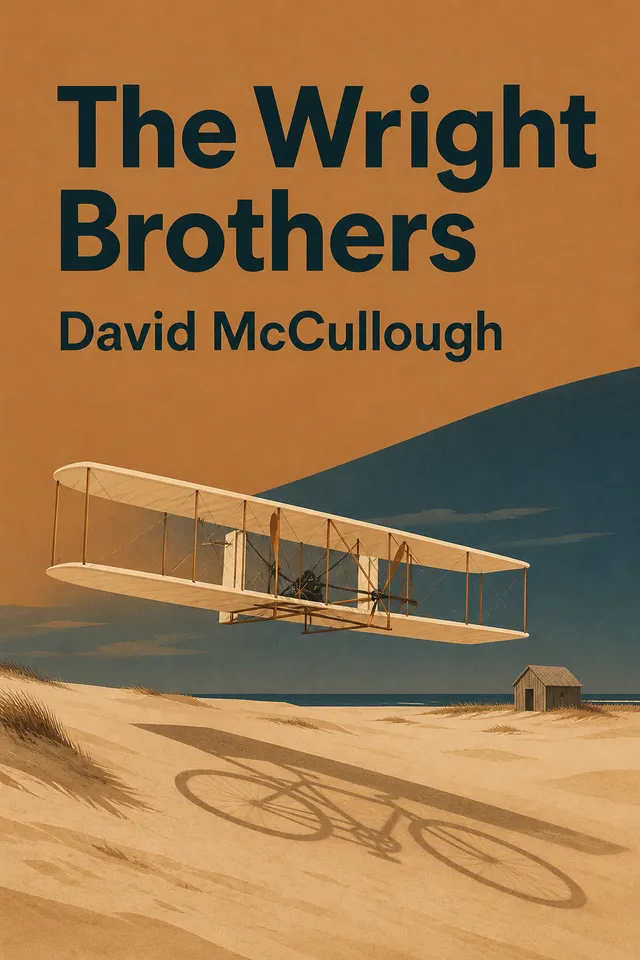
The Wright Brothers
David McCullough’s biography follows Wilbur and Orville Wright from a close, self-educating family and bicycle workshop to controlled flight, public proof, and a contested legacy. It asks how patient measurement, practical skill, and partnership overcame failed theories—and how invention changes when recognition, commerce, injury, and war reshape its meaning.
These Truths
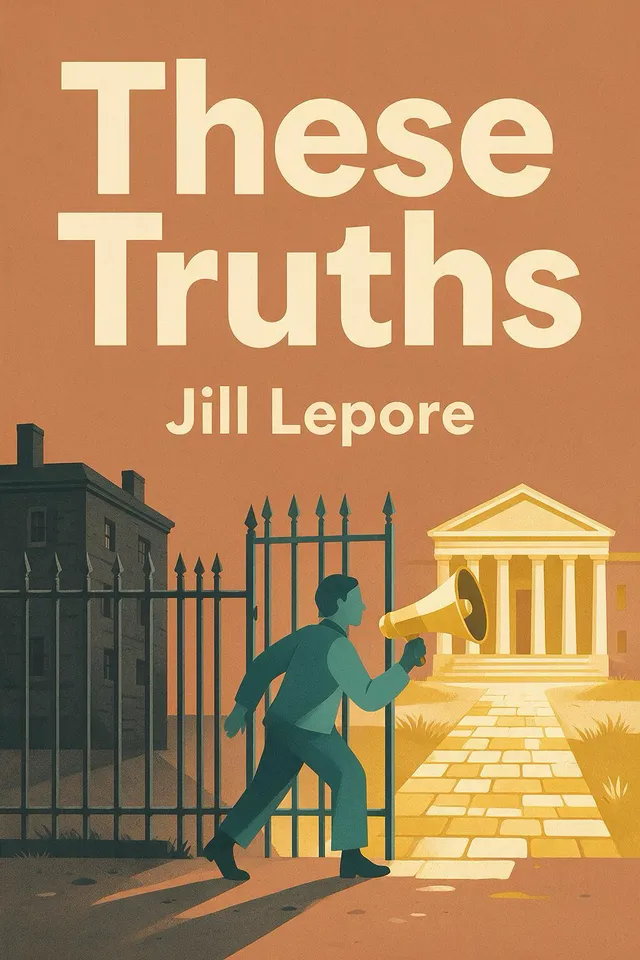
These Truths asks how the United States could claim equality, natural rights, and self-government while practicing conquest, slavery, exclusion, and coercion. Its history connects institutions, movements, media, and technology to the recurring struggle over who belongs to the people and how democracy decides what is true.

Things No One Else Can Teach Us
Humble the Poet examines how lived experience teaches what advice cannot, tracing lessons from impermanence, ambition, heartbreak, and conflict. The book asks how to meet change without being ruled by fear, comparison, or regret. Its stories offer ways to choose meaningful effort, learn from setbacks, and respond to others with greater understanding.
Think Again
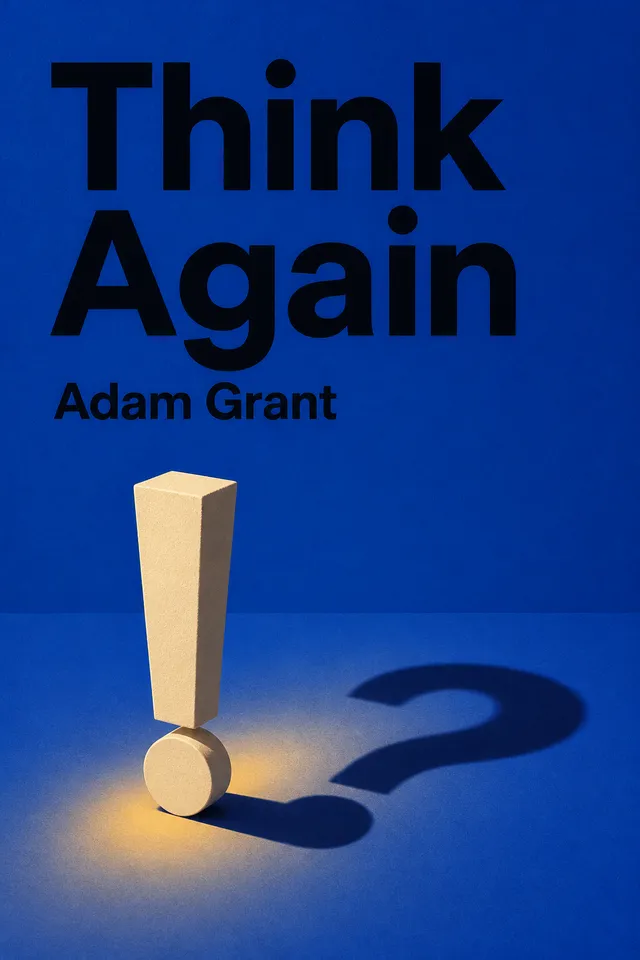
Think Again examines how to question beliefs, loosen identity’s grip on being right, and revise decisions as circumstances change. Its central question is how to rethink alone and together—through productive disagreement, listening, education, and learning cultures—and pursue meaning without confusing persistence with wisdom.
Think and Grow Rich
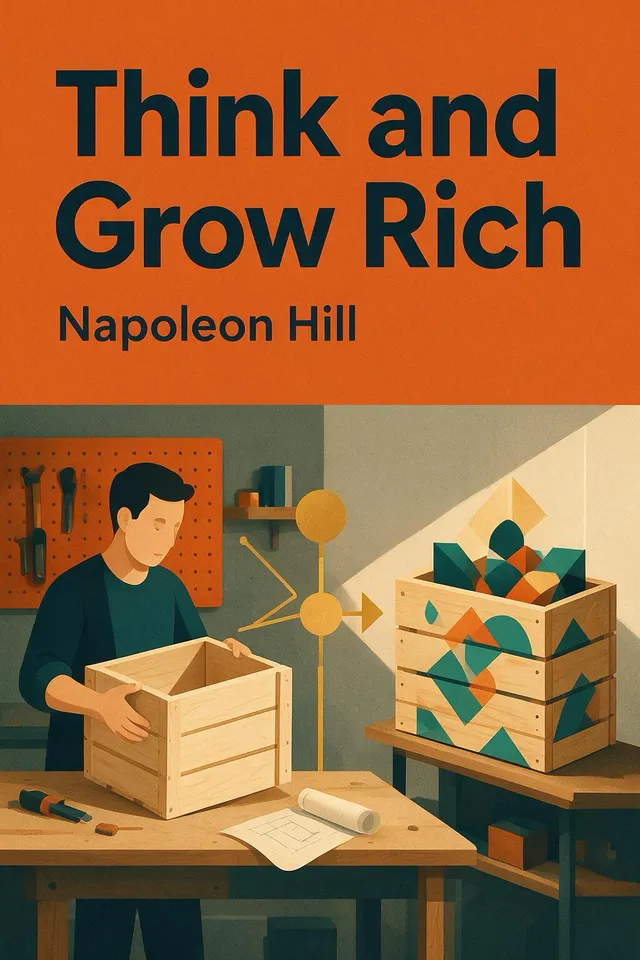
Think and Grow Rich asks how a dominant desire becomes achievement. Hill’s answer combines a definite aim, faith, autosuggestion, specialized knowledge, imagination, planning, decision, persistence, cooperative power, emotional discipline, and freedom from fear. The outline preserves that progression while distinguishing practical advice from the book’s metaphysical claims.
Think Like an Entrepreneur, Act Like a CEO
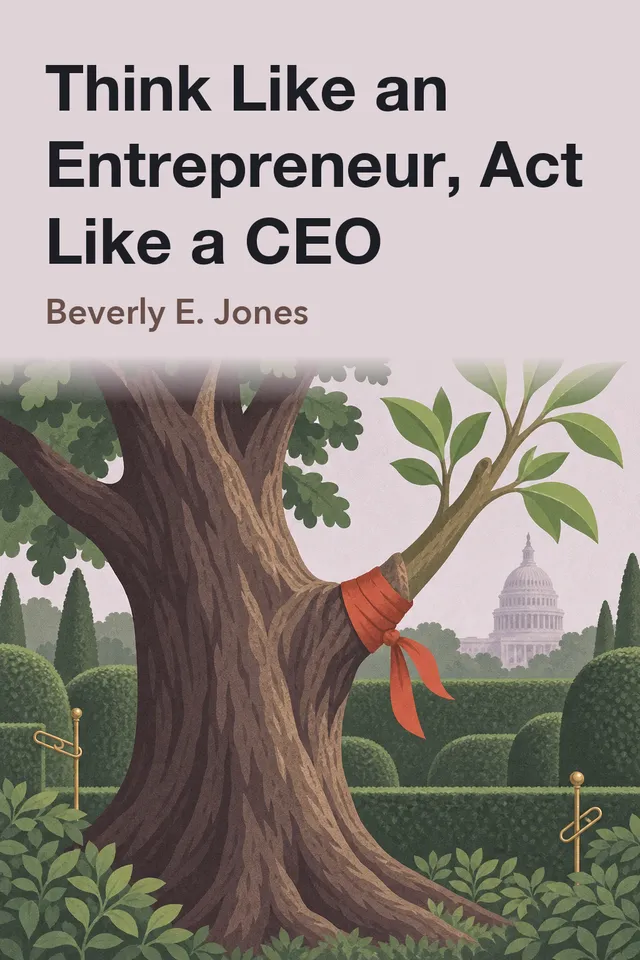
Beverly E. Jones asks how people can take responsibility for a changing career and act with entrepreneurial initiative. She offers practical ways to build reciprocal relationships, shape professional reputation, manage time and teams, recover from setbacks, and make work more satisfying.

Think Simple
Think Simple asks how organizations can stay clear as they grow. It presents simplicity as a demanding discipline built from a memorable mission, lived values, focused leadership, coherent brands, and deliberate choices. Through company cases, it offers ways to reduce friction for employees and customers while preserving useful complexity, creativity, and judgment.